Poets
Poets weave emotions with eloquent words
70 Poets
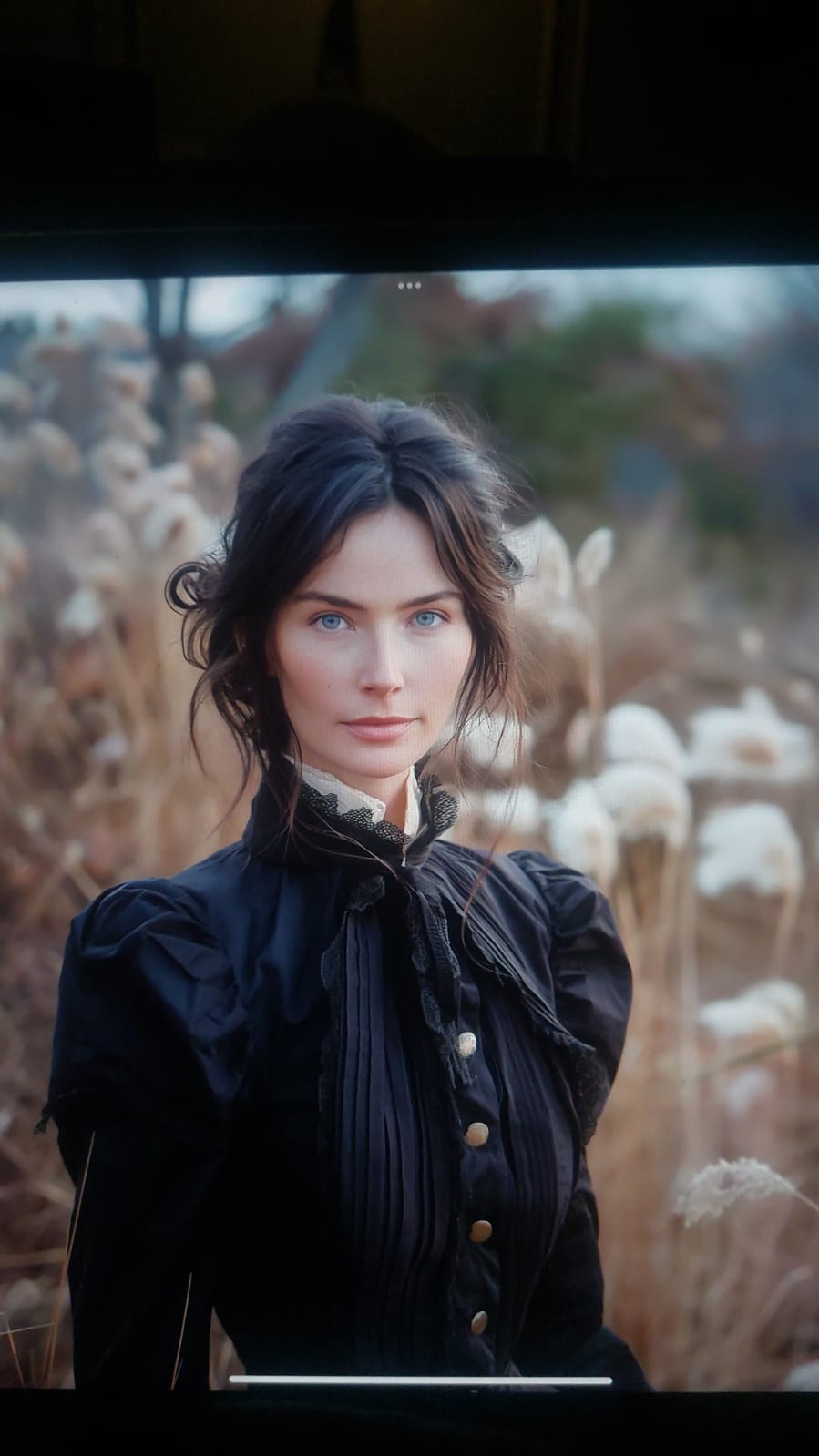
Emily Dickinson
Emily Dickinson (born December 10, 1830, Amherst, Massachusetts, U.S.—died May 15, 1886, Amherst) American lyric poet who lived in seclusion and commanded a singular brilliance of style and integrity of vision. With Walt Whitman, Dickinson is widely considered to be one of the two leading 19th-century American poets. Emily Dickinson is considered one of the leading 19th-century American poets, known for her bold original verse, which stands out for its epigrammatic compression, haunting personal voice, and enigmatic brilliance. Yet it was only well into the 20th century that other leading writers—including Hart Crane, Allen Tate, and Elizabeth Bishop—registered her greatness.
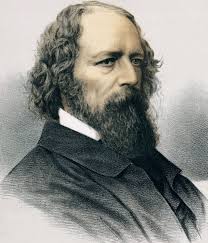
Alfred Lord Tennyson
Alfred, Lord Tennyson (born August 6, 1809, Somersby, Lincolnshire, England—died October 6, 1892, Aldworth, Surrey) English poet often regarded as the chief representative of the Victorian age in poetry. He was raised to the peerage in 1884. Alfred, Lord Tennyson, was the leading Victorian poet in England. His poetry is remarkable for its metrical variety, rich imagery, and verbal melodies. It dealt often with the doubts and difficulties of an age in which traditional religious beliefs about human nature and destiny were increasingly called into question by science and modern progress.
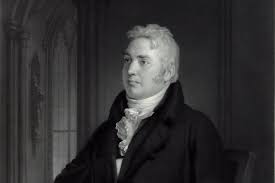
Samuel Taylor Coleridge
Samuel Taylor Coleridge (born October 21, 1772, Ottery St. Mary, Devonshire, England—died July 25, 1834, Highgate, near London) English lyrical poet, critic, and philosopher. His Lyrical Ballads, written with William Wordsworth, heralded the English Romantic movement, and his Biographia Literaria (1817) is the most significant work of general literary criticism produced in the English Romantic period. Coleridge died in 1834 after years of personal discomfort and disappointment. A legend in his time, he came to be seen by friends and contemporaries as the genius who failed. The failure was largely relative to early expectations, however, and to hopes defeated by disease and drugs. Despite everything, Coleridge can still be regarded as a groundbreaking and, at his best, a powerful poet of lasting influence. His idea of poetry remains the standard by which others in the English sphere are tried.
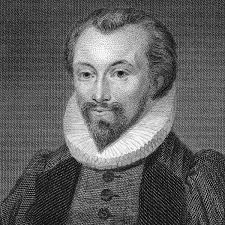
John Donne
John Donne (born sometime between Jan. 24 and June 19, 1572, London, Eng.—died March 31, 1631, London) leading English poet of the Metaphysical school and dean of St. Paul’s Cathedral, London (1621–31). Donne is often considered the greatest love poet in the English language. He is also noted for his religious verse and treatises and for his sermons, which rank among the best of the 17th century. The history of Donne’s reputation is the most remarkable of any major writer in English; no other body of great poetry has fallen so far from favor for so long. In Donne’s own day his poetry was highly prized among the small circle of his admirers, who read it as it was circulated in manuscript, and in his later years he gained wide fame as a preacher. For some 30 years after his death successive editions of his verse stamped his powerful influence upon English poets.
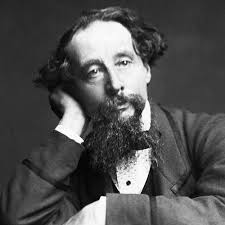
Charles Dickens
Charles Dickens (born February 7, 1812, Portsmouth, Hampshire, England—died June 9, 1870, Gad’s Hill, near Chatham, Kent) English novelist, generally considered the greatest of the Victorian era. His many volumes include such works as A Christmas Carol, David Copperfield, Bleak House, A Tale of Two Cities, Great Expectations, and Our Mutual Friend. Dickens enjoyed a wider popularity during his lifetime than had any previous author. Much in his work could appeal to the simple and the sophisticated, to the poor and to the queen, and technological developments as well as the qualities of his work enabled his fame to spread worldwide very quickly.
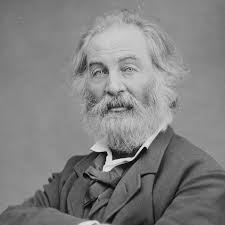
Walt Whitman
Walt Whitman, (born May 31, 1819, West Hills, Long Island, New York, U.S.—died March 26, 1892, Camden, New Jersey), American poet, journalist, and essayist whose verse collection Leaves of Grass, first published in 1855, is a landmark in the history of American literature. Walt Whitman’s poetry was innovative for its verse style and for the way it challenged traditional narratives. He championed the individual soul over social conventions, presenting himself as a rough and free spirit. His poetry has continued to resonate with new generations of Americans, and he is considered a symbol of American democracy.
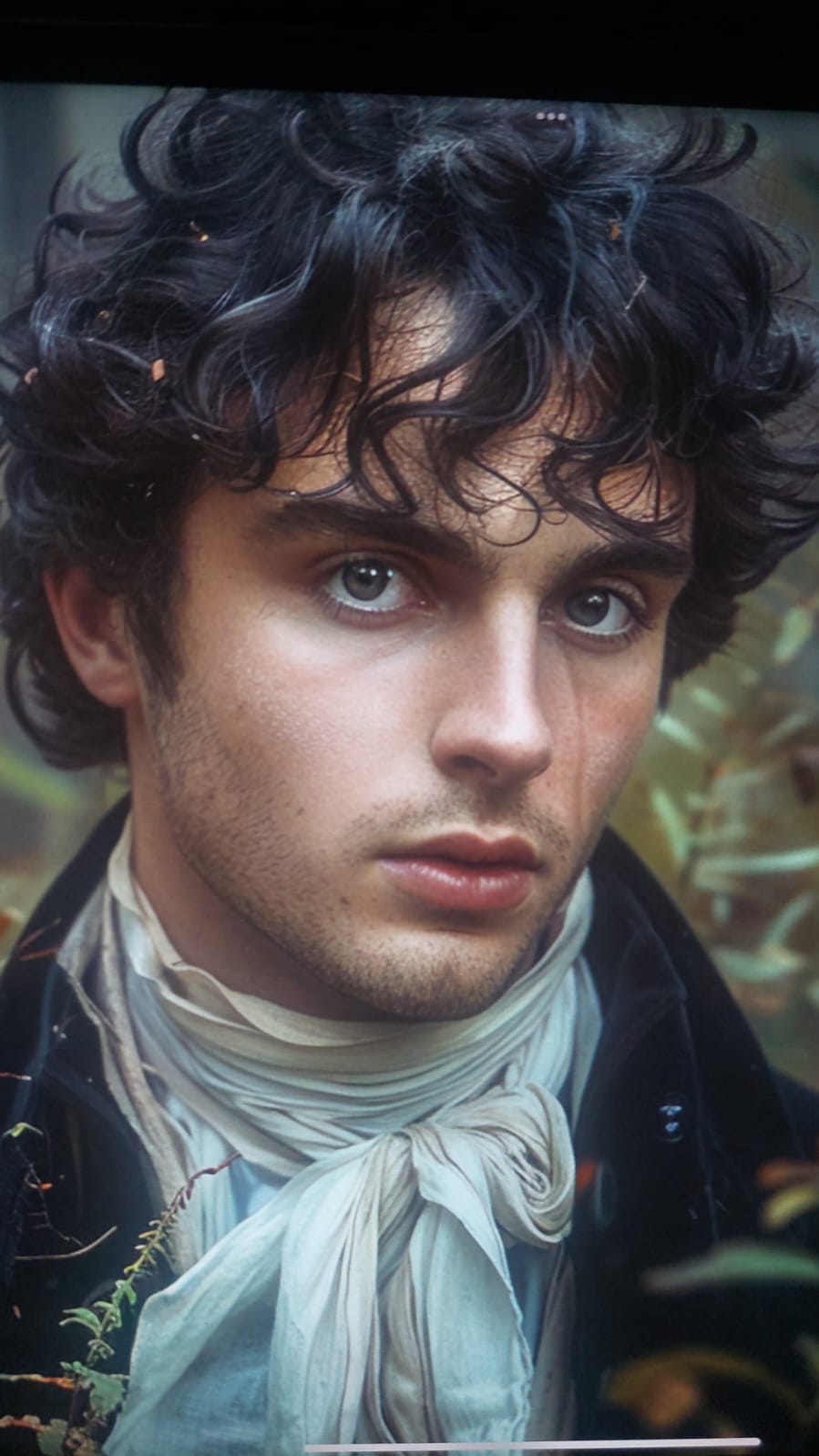
Lord Byron
Lord Byron (born January 22, 1788, London, England—died April 19, 1824, Missolonghi, Greece) British Romantic poet and satirist whose poetry and personality captured the imagination of Europe. Renowned as the “gloomy egoist” of his autobiographical poem Childe Harold’s Pilgrimage (1812–18) in the 19th century, he is now more generally esteemed for the satiric realism of Don Juan (1819–24). "I was born for opposition,” Byron proclaimed in Don Juan, Canto XV. The outstanding elements of his poetry both support his self-analysis and insure his enduring reputation. As a major political and social satirist, he repeatedly denounces war, tyranny, and hypocrisy. As an untiring champion of liberty, he firmly believed that “Revolution / Alone can save the earth from hell’s pollution”, a tenet he defended with his life.
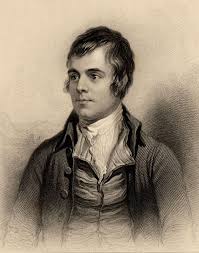
Robert Burns
Robert Burns (born January 25, 1759, Alloway, Ayrshire, Scotland—died July 21, 1796, Dumfries, Dumfriesshire) national poet of Scotland, who wrote lyrics and songs in Scots and in English. Burns wrote in a variety of forms: epistles to friends, ballads, and songs. His best-known poem is the mock-heroic Tam o’ Shanter. He is also well known for the over three hundred songs he wrote which celebrate love, friendship, work, and drink with often hilarious and tender sympathy. He was also famous for his amours and his rebellion against orthodox religion and morality. Robert Burns died from heart disease at the age of thirty-seven. On the day of his death, Jean Armour gave birth to his last son, Maxwell.
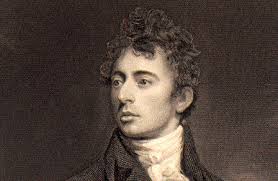
Robert Southey
Robert Southey, (born Aug. 12, 1774, Bristol, Gloucestershire, Eng.—died March 21, 1843, Keswick, Cumberland), English poet and writer of miscellaneous prose who is chiefly remembered for his association with Samuel Taylor Coleridge and William Wordsworth, both of whom were leaders of the early Romantic movement. He was endlessly curious about human nature but would not face it, whether in others or himself, except in the less volatile form of human culture, most of which he ended up despising as immoral or irrational, seditious or superstitious, dirty or even diabolical. His own mind eventually failed, after a lifetime of repressed passion and herculean compensatory labor, and he died of a stroke on the vernal equinox of 1843. He was buried in Crosthwaite Churchyard in Keswick, alongside his first wife and three of his children.
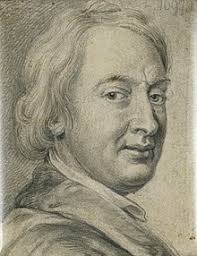
John Dryden
John Dryden (born August 9 [August 19, New Style], 1631, Aldwinkle, Northamptonshire, England—died May 1 [May 12], 1700, London) English poet, dramatist, and literary critic who so dominated the literary scene of his day that it came to be known as the Age of Dryden. Dryden meant not only the century itself but his own old age. He could only hope that he was on his way to a new life, one free from the strife and disappointment of this life, one appreciative of the celestial strains of his great poetry.
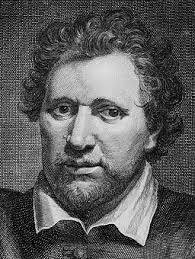
Ben Jonson
Ben Jonson (born June 11?, 1572, London, England—died August 6, 1637, London) English Stuart dramatist, lyric poet, and literary critic. He is generally regarded as the second most important English dramatist, after William Shakespeare, during the reign of James I. Among his major plays are the comedies Every Man in His Humour (1598), Volpone (1605), Epicoene; or, The Silent Woman (1609), The Alchemist (1610), and Bartholomew Fair (1614). Ben Jonson died in Westminster on August 8, 1637. A tremendous crowd of mourners attended his burial at Westminster Abbey. He is regarded as one of the major dramatists and poets of the seventeenth century.
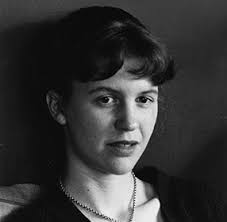
Sylvia Plath
Sylvia Plath (born October 27, 1932, Boston, Massachusetts, U.S.—died February 11, 1963, London, England) American poet whose best-known works, such as the poems “Daddy” and “Lady Lazarus” and the novel The Bell Jar, starkly express a sense of alienation and self-destruction closely tied to her personal experiences and, by extension, the situation of women in mid-20th-century America. She saw her world in the flame of the ultimate substance and the ultimate depth. And this is the distinction of her language, that every word is Baraka: the flame and the rose folded together. Poets have often spoken about this ideal possibility but where else, outside these poems, has it actually occurred? If we have the discrimination to answer this question, we can set her in her rightful company.”