Poets
Poets weave emotions with eloquent words
70 Poets
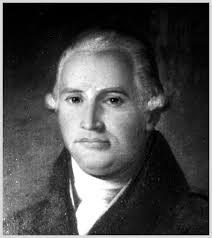
William Dunbar
WiUiam Dunbar was born, probably in East Lothian, between 1450 and 1460. He entered the University of St. Andrews in 1475, and took his full degree in 1479. In eariy life, according to his own account, he went about from Berwick to Dover, and passed over to Calais and Picardy, preaching and alms-gathering as a Franciscan noviciate ; but he became dissatisficd with this life and does not seem to have taken the vows of the order. It has been inferred from allusions in his verse that he was for some years empioyed in connection with foreign embassies. Toward tiie close of the century we find him in attendance on the Scotch Court, a poet with an established reputation, and a continual suitor for piace. In 1500 he received from the king (James IV) a pension of ^io , raised by degrees, during the next ten years to ;^8o ? then a respectable annuity; but he never obtained the Church promotion, to which on somewhat irrelevant grounds he constantly laid claim.
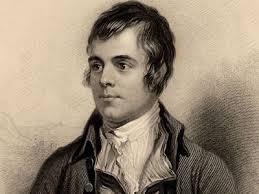
Robert Henryson
RoBERT HENRYSON, thc charming fabulist, Chaucer's aptest and brightest schoiar, aimost nothing is known. David Laing conjectures him to have been born about 1425, to have been educated at some foreign university, and to have died towards the ciosing years of the fifteenth century. It is certain that in 1462, being then * in Artibus Liceniiatus et in Decretis Bacchaiarius,' he was incorporated of the University of Glasgow; and that he was afterwards schooimaster in Dunferraline, and worked there as a notary-pubiic aiso.

James I
BoRN 1394. Capturcd by the English in time of peace 1405, and kept a prisoner in the Tower, in Nottingham Castie, at Croydon, and at Windsor, tiii 1424, when he was released. In that year he married Lady Jane Beaufort, daughter of the Eari of Somerset, and granddaughter of John of Gaunt. She was the heroine of his principai poem, The King^s Quair. n 1437, after reigning thirteen years in Scotland, the king was assassinated at Perth. Besides The King's Quair, he is commoniy supposed to have written one or two other poems, notabiy the humorous ballad Christ*s Kirk on the Green.
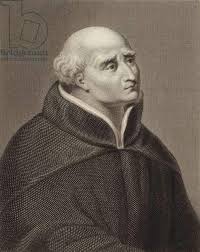
Thomas Occleve
Thomas Hoccleve - sometimes spelled Occleve - was probably born in 1368-69 and died in London in 1426. Little is known of his life beyond what is mentioned in his poems. As was the better-known Lydgate, Hoccleve was certainly an admirer of Chaucer's work. He is thought to have been of north-country parentage, deriving his name from the viUage of Hocciough in Northumberiand. One of his minor poems, addressed to Richard duke of York, cannot weil have been written before I448, since the young prince Edward (bom in 1441) and his French tutor Picard are mentiontd in it. Occleve must therefore have lived to a great age, but the precise year of his death is unknown. His principal poem, De Regimine Principum, was written in 1411 or 1412. The ascertainable dates of his minor poems, of which oniy a portion has been printed, range between 1400 and 1448.
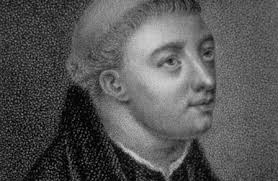
John Lydgate
oHN LYDGATE was bora at thc vUlage of Lydgate near Newmarket m Su�folk, about 1370. His death probably occurred about 1440. Appar entiy the iatest datc discoverable ia any of his poems is 1433, in which year he wrote a sort of' city poem/ ceiebrating the pageants, processions, and other rejoicings in the city of London on the occasion of the soiemn entry of Henry VI. He was a monk in the Benedictine monastery of Bury ^ St. Edmunds. Among his numerous writings three stand out prominentiy: the Storie ofThebes, written when he was nearly fifty; the Troye Boo�, begun under Henry IV, and finisiied about 1420; and the Falls of Princes, written bctween 1422 and 1433.
John Gower
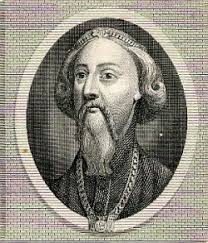
JoHN GowER seems to have been bom about 1330, and died �n 1408, having been blind for eight or nine ycars before his death. He was a gentleman of ancient famiiy, owning estates in Kent and Suffolk. The piace of his birth is unknown; he is beiieved to have died in the priory of St. Mary Overies, Southwark, in the church of which, now caiied St. Saviour*s, his tomb may still be seen. The earliest of his three principai works, Speculum Meditantis, was in French verse, but it has not come down to posterity, nor is the precise time of its composition known. The second, Vox Clamantis, in Latin eiegiac verse, was written between 1382 and 1384, and commemorates the rising of the conrmons under Wat Tyler in the former year, moralizing upon it and improving the occasion with astonish ing proiixity. The third, Con/essio Amantis, one of the best known of early English poems, was written between 1385 and 1393.
Geoffrey Chaucer
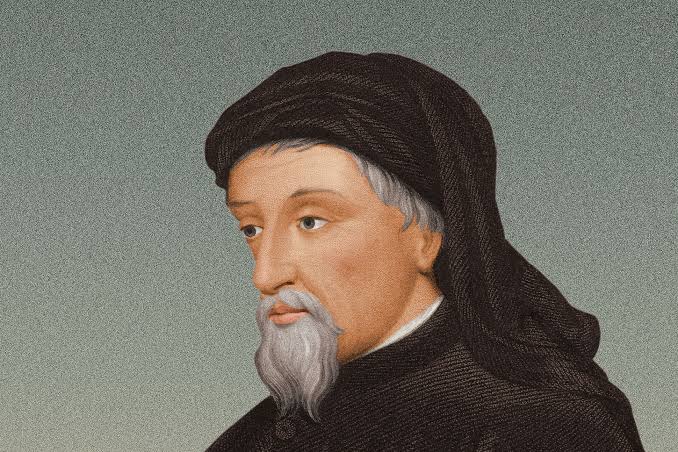
Geoffrey Chaucer is known as one of the greatest English poets of all time. The date of his birth is not known precisely but experts estimate that he was born somewhere around 1343. The son of a successful London wine seller, it is thought that he may have attended St Paul's Latin Grammar School. He may have also, studied law at the Inns of Court. Geoffrey Chaucer expanded the reputation of English as a great literary language. William Shakespeare's wrote many of his plays to show a sign of Geoffrey Chaucer's comic spirit. John Dryden, a modern interpreter of The Canterbury Tales, named Chaucer as the "Father of English poetry." Chaucer will always be remembered for his wisdom, humor and humanity.
Oscar Wilde
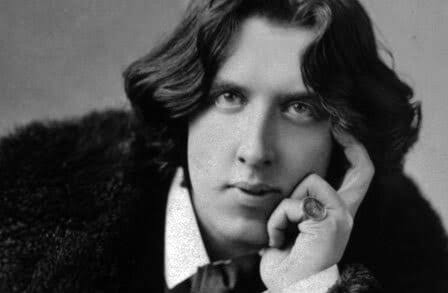
Oscar Wilde was an Anglo-Irish playwright, novelist, poet, and critic. He is regarded as one of the greatest playwrights of the Victorian Era. In his lifetime he wrote nine plays, one novel, and numerous poems, short stories, and essays. Wilde was a proponent of the Aesthetic movement, which emphasized aesthetic values more than moral or social themes. This doctrine is most clearly summarized in the phrase 'art for art's sake'. Besides literary accomplishments, he is also famous, or perhaps infamous, for his wit, flamboyance, and affairs with men. He was tried and imprisoned for his homosexual relationship (then considered a crime) with the son of an aristocrat.
William Shakespeare
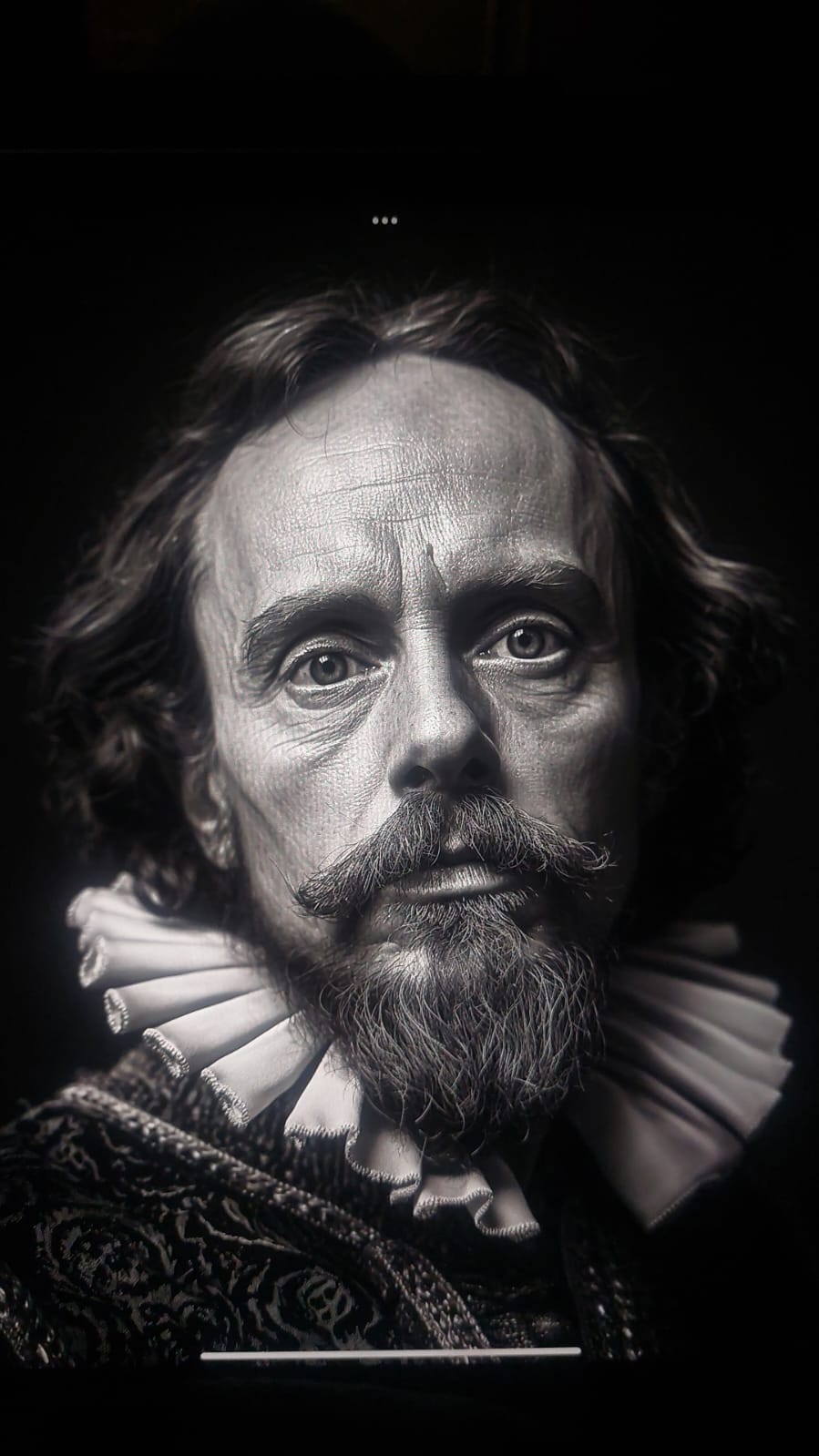
William Shakespeare was born in April 1564 in Stratford-upon-Avon, England. He is one of the world's most highly esteemed writers, and is thought to be the most quoted author in history, second only to the Bible. His plays and poems have been studied, analyzed, read, and loved for centuries. Little is known about William Shakespeare's childhood or education, but scholars agree that he likely attended the King's New School. He was working as an actor and playwright in London by the year 1592, and was also a managing partner in the acting company the Lord Chamberlain's Men. After James I was crowned king in 1603, the theater company's name was changed to the King's Men, and it grew to be quite popular.
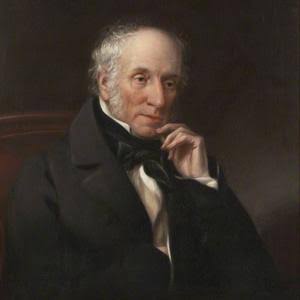
William Wordsworth
The English poet William Wordsworth is considered to be one of the most important literary figures in modern history, as well as one of the leading purveyors of the Romantic Movement. He was born in 1770, in Cumbria, and was one of four children. Over the course of his life, he continued to return to the Lake District, and eventually passed away in Cumbria, in 1850. The influence of William Wordsworth should not be underestimated, as he not only helped to kick-start the Romantic Age, he also formed half of one of the most famous literary partnerships in history. The friendship that he shared with fellow poet Samuel Taylor Coleridge is now the stuff of legend, as is the subsequent fallout after the friendship fell apart.